World Cup 2026: Keeping Your Workforce Safe and Fit for Work
As the World Cup is now well underway, many matches are taking place late into the evening and early hours of the morning.
Whilst we hope everyone enjoys the games, it is important to be mindful of the potential impacts of late nights, alcohol, and possibly drug consumption. This could affect your employees or workers when travelling to work and during their shift. This is a particular concern in high-risk environments such as construction, especially if machinery is operated.
What you can do
- Discuss the World Cup with your teams and remind them to ensure they are safe to drive and fit for work.
- Encourage your teams to report concerns for others and the correct persons to report to.
- Reiterate any existing drug and alcohol policies or testing procedures you have in place.
For our members, a toolbox talk on Alcohol and Drugs is available on SafetyNet. Click here to access.
Managing drug and alcohol misuse at work
Understanding the signs of drug and alcohol misuse or abuse will help you to manage health and safety risk in your workplace, review how you would develop a policy to deal with drug and alcohol-related problems and support your employees.
All businesses can benefit from a drug and alcohol policy. If an employee is having a problem with drugs or alcohol, use the policies to help them rather than immediate dismissal.
Consider these warning signs, which could indicate drug or alcohol misuse:
- unexplained or frequent absences
- A change in behaviour
- unexplained dips in productivity
- more accidents or near-misses
- performance or conduct issues
Fatigue
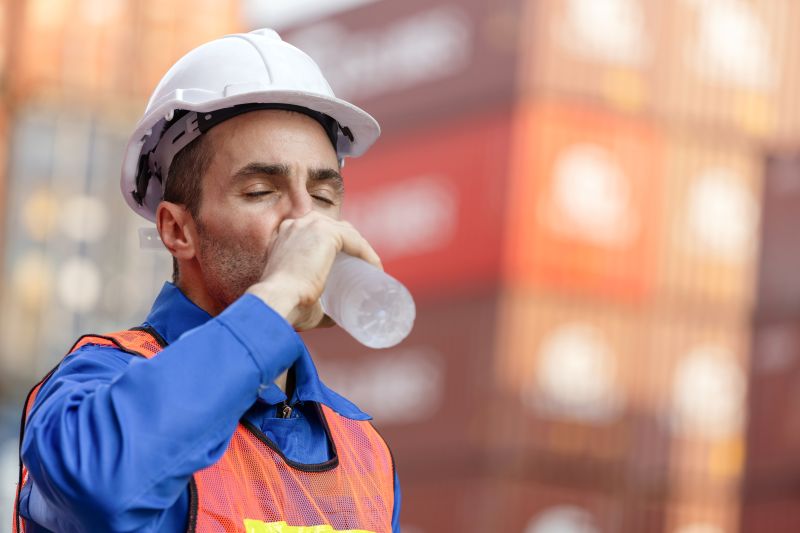
With the late kick off’s during this world cup, it is likely that your workforce may experience signs of fatigue. Fatigue refers to the issues that arise from excessive working time or poorly designed shift patterns. It is generally considered to be a decline in mental and/or physical performance that results from prolonged exertion, sleep loss and/or disruption of the internal clock.
Fatigue results in slower reactions, reduced ability to process information, memory lapses, absent-mindedness, decreased awareness, lack of attention, underestimation of risk, reduced coordination etc.
Fatigue can lead to an increase of errors, accidents, ill-health and reduced productivity. Fatigue has also been implicated in 20% of accidents on major roads and is said to cost the UK £115 – £240 million per year.
What if something goes wrong?
Even with clear policies on fatigue, alcohol, and fitness for work, incidents can still occur. When they do, it is essential that organisations are able to respond effectively, understand the root causes, and prevent recurrence.
An accident investigation plays a key role in this process. A well-conducted investigation goes beyond recording what happened and focuses on why it happened, including contributing factors such as fatigue, human factors, workload, and wider organisational issues. This approach helps ensure that lessons are learned and that similar incidents are less likely to happen again.
Our Accident Investigation Training Course is a one-day, face-to-face programme designed to provide delegates with a practical understanding of how to investigate workplace accidents and near misses. The course covers the full investigation process, including planning and managing investigations, gathering evidence, interviewing techniques, establishing timelines, identifying root causes, and producing clear, actionable reports. It also includes an overview of reporting requirements and the role of investigations in improving safety performance and supporting compliance.
Click here for more information
West Point House, 321 Millbrook Road West Southampton Hampshire SO15 0HW
02380 894695