
Health and safety training courses are essential for ensuring the well-being of employees in the workplace. These courses help employees understand the importance of maintaining a safe work environment and provide them with the necessary knowledge and skills to identify potential hazards and prevent accidents. They also help organisations comply with the regulations and guidelines set by governing bodies such as the Health and Safety Executive (HSE).
Specific Workplace Courses






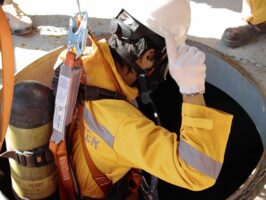


General awareness training focuses on providing employees with a basic understanding of the importance of workplace safety and the role they play in maintaining a safe work environment. Specialized training, such as Confines Spaces Awareness, Manual Handling and Abrasive Wheels Safety focuses on specific hazards and provides employees with the skills and knowledge to identify, manage and control these risks.
One of the key benefits of health and safety training courses is that they help to reduce the number of accidents and injuries in the workplace. By providing employees with the knowledge and skills to identify potential hazards and take the necessary precautions to prevent accidents, the risk of injury is reduced. This not only benefits the employees but also the organisation as it reduces the risk of criminal prosecution and compensation claims.
Health and safety training courses also help to create a culture of safety in the workplace. When employees are aware of the importance of safety and understand their role in maintaining a safe work environment, they are more likely to act responsibly and take the necessary precautions to prevent accidents. This can have a positive impact on employee morale and motivation, as employees feel valued and appreciated for their efforts to keep the workplace safe.
Finally, health and safety training courses can also help organisations to comply with relevant regulations and guidelines. By providing employees with the necessary knowledge and skills to maintain a safe work environment, organisations can demonstrate that they take safety seriously and are committed to protecting their employees. This can help to improve the reputation of the organisation and can also reduce the risk of fines and penalties for non-compliance.
Downloads
Related Blogs
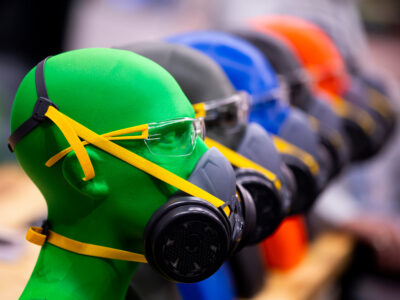
Frequently Asked Questions: Respiratory Mask Face Fitting – Everything You Need to Know
Dust exposure and the proper fitting of respiratory protective equipment (RPE) are critical issues in many industries. Not only are they common concerns, but they’re also legal requirements under the Control of Substances Hazardous to Health (COSHH) Regulations. If you’re an employer, you might be wondering how to ensure compliance and keep your workers safe. Or, if you’re an employee, you may want to know your rights when it comes to dust exposure and RPE. To help clear things up,…

25 Years of the Asbestos Ban in the UK
Asbestos is a naturally occurring fibrous mineral that was widely used in construction and manufacturing because of its many benefits. Asbestos fibres, when disturbed, can become airborne, leading to asbestos exposure through inhalation and long-term health risks. A key challenge lies in identifying asbestos, as it often blends with other materials. When was asbestos banned? When was asbestos banned? In 1999, the UK implemented a full ban on asbestos, a material once lauded for its durability and fire-resistant properties. This…

Ensuring Safety: The Critical Importance of Face Fit – Train the Tester Programs
Properly fitted respiratory protective equipment (RPE) is absolutely essential for jobs where workers are exposed to hazardous substances. A poorly fitted mask can expose the wearer to harmful particles, gases, or vapours, potentially leading to serious health issues. This is where Face Fit Testing comes in – a process that ensures RPE provides the necessary level of protection. The question is, who conducts these tests, and how can companies ensure they are done correctly? The answer lies in Face Fit…
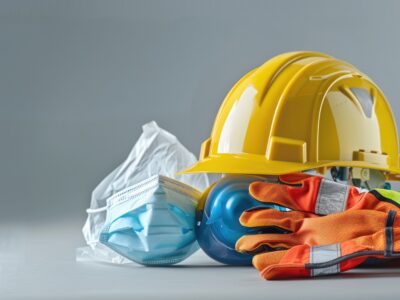
Evolving Asbestos Safety: How PPE and Exposure Protocols Have Improved Over Time
The history of asbestos use and its widespread regulation is indicative of how workplace safety evolves over time. Once hailed as a miracle material for its fire-resistant properties, asbestos has become synonymous with occupational health hazards, from irritable lung conditions to mesothelioma, a devastating form of cancer. Over the decades, our understanding of asbestos risks has grown, hugely improving PPE legislation, exposure protocols and overall asbestos safety measures. Read on to learn about how asbestos regulation has progressed since its…

The Impact of Workplace Temperature on Productivity and Health
As summer approaches and the mercury rises, we must be aware of the impacts of temperature on workplaces. As HSE clarifies, there is no specific legal maximum working temperature, though there is a legal minimum: 16°C for normal work activities 13°C for physically demanding work Employers still have a legal duty to ensure a safe and healthy working environment in excessive heat. Failure to take that duty of care seriously about temperature can result in compliance issues, particularly if an…
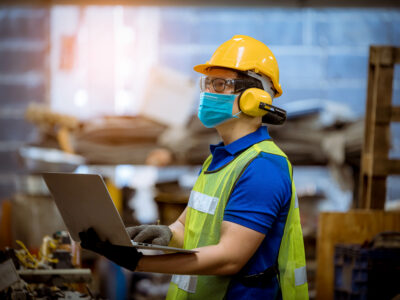
Navigating Confined Space Work for Managers, Supervisors, and Entrants
Put simply, a confined space is a substantially enclosed area that poses a risk of serious injury from hazardous substances or conditions. Examples of confined spaces include storage tanks, silos, reaction vessels, pipework, enclosed drains, sewers and small, poorly ventilated rooms. It will come as no surprise that working in these risky spaces requires specialised training and knowledge from all involved. This blog examines the risks of working in confined spaces in detail, covering best practices and rules to follow…

The Pool Supervisor Course – Where Lifesaving Meets Life Skill
Aquatic safety is a constantly evolving field. In recent years, there’s been growing interest in supplementing traditional lifeguarding skills with a broader range of responsibilities and capabilities. The National Pool Supervisor Qualification (NPSQ) is a step up from standard lifesaving courses to a broader approach to safety management and emergency response. Here’s what you need to know about it. What is The NPSQ? The NPSQ is more than just another lifeguarding certificate. It’s a detailed program designed for the advanced…