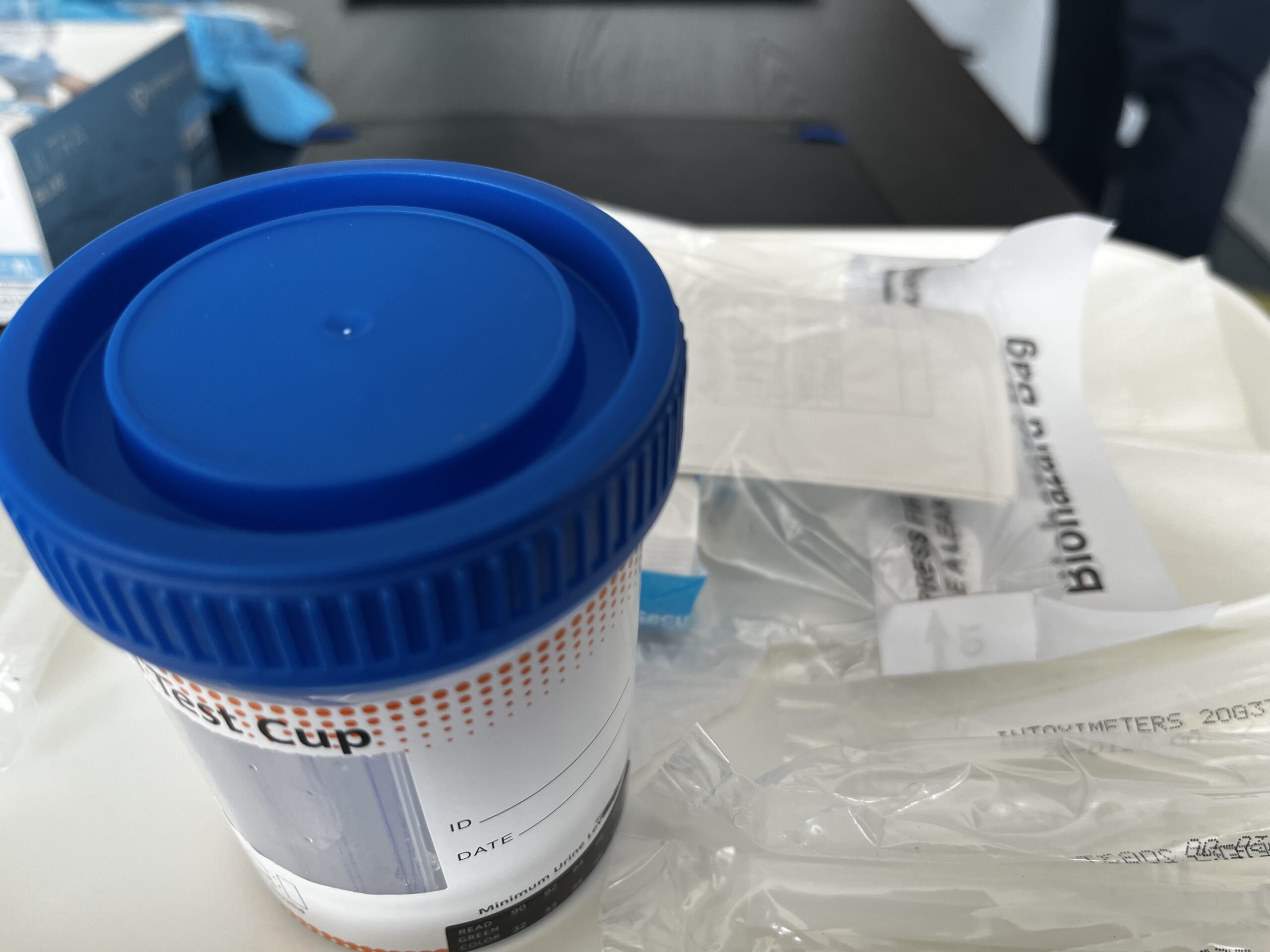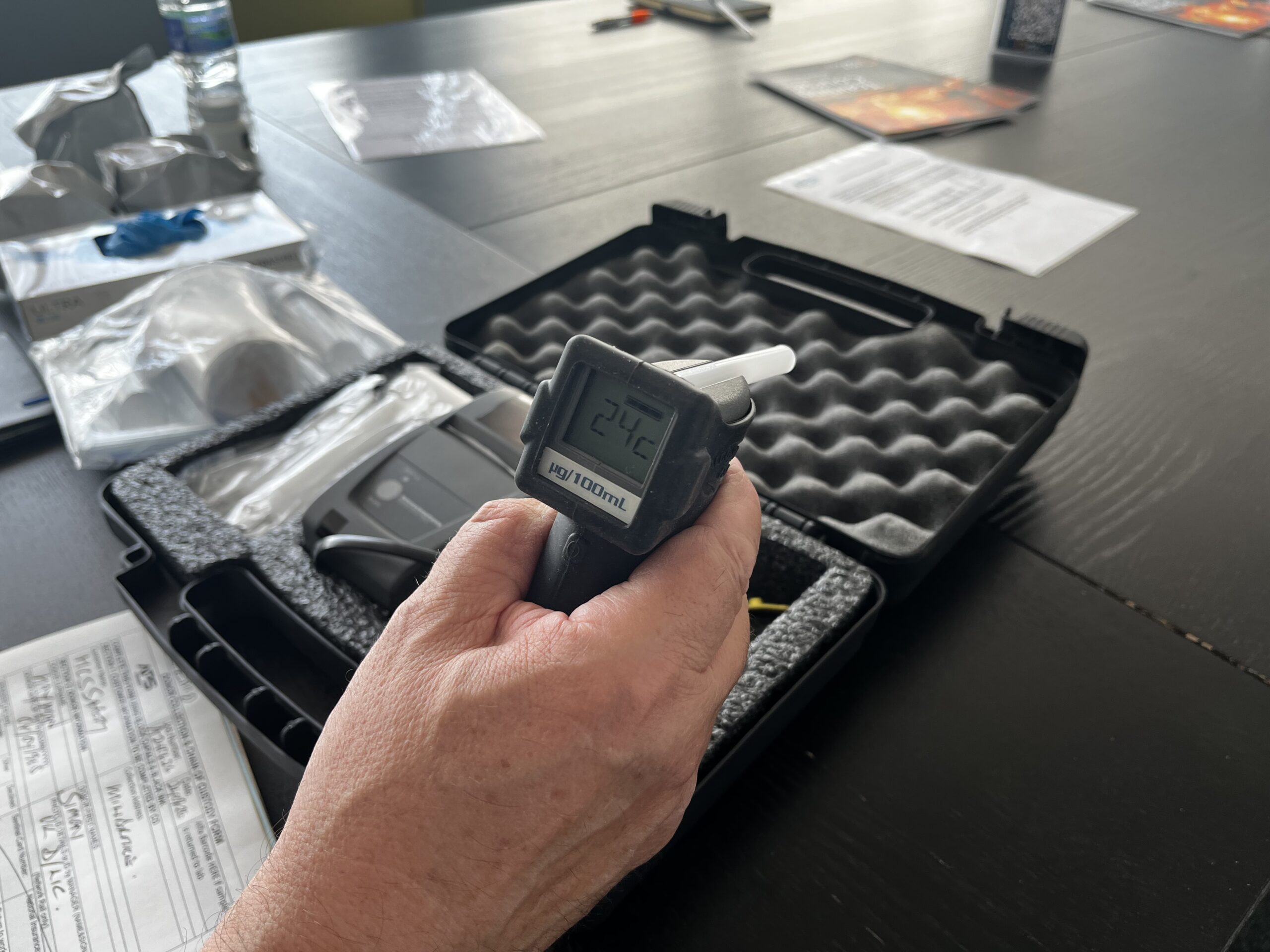
Drug and Alcohol Testing
An estimated 40% of UK workplace accidents involve substance abuse. Testing minimizes these incidents by catching impairment early.
Why drug and alcohol testing is an effective safety management tool:
Drug and alcohol testing is an effective safety management tool that helps organisations create a safer, healthier, and more productive workplace. It can significantly reduce the risk of workplace accidents by identifying impairment before it leads to incidents, particularly in safety-critical roles. Testing also helps employers meet their legal duties under health and safety legislation by ensuring employees are fit for work and reducing the risks associated with substance misuse.
In addition, drug and alcohol testing can improve productivity by reducing the impact of impairment and helping to minimise absence levels. It also supports employee wellbeing through the early identification of potential issues, enabling employers to provide appropriate support where needed. By taking a proactive approach to workplace testing, organisations can protect their reputation, demonstrate their commitment to health and safety, and provide reassurance to employees, clients, and stakeholders that maintaining a safe and professional working environment is a priority.
Get in touch for more information

Our Partnership with APS Wessex
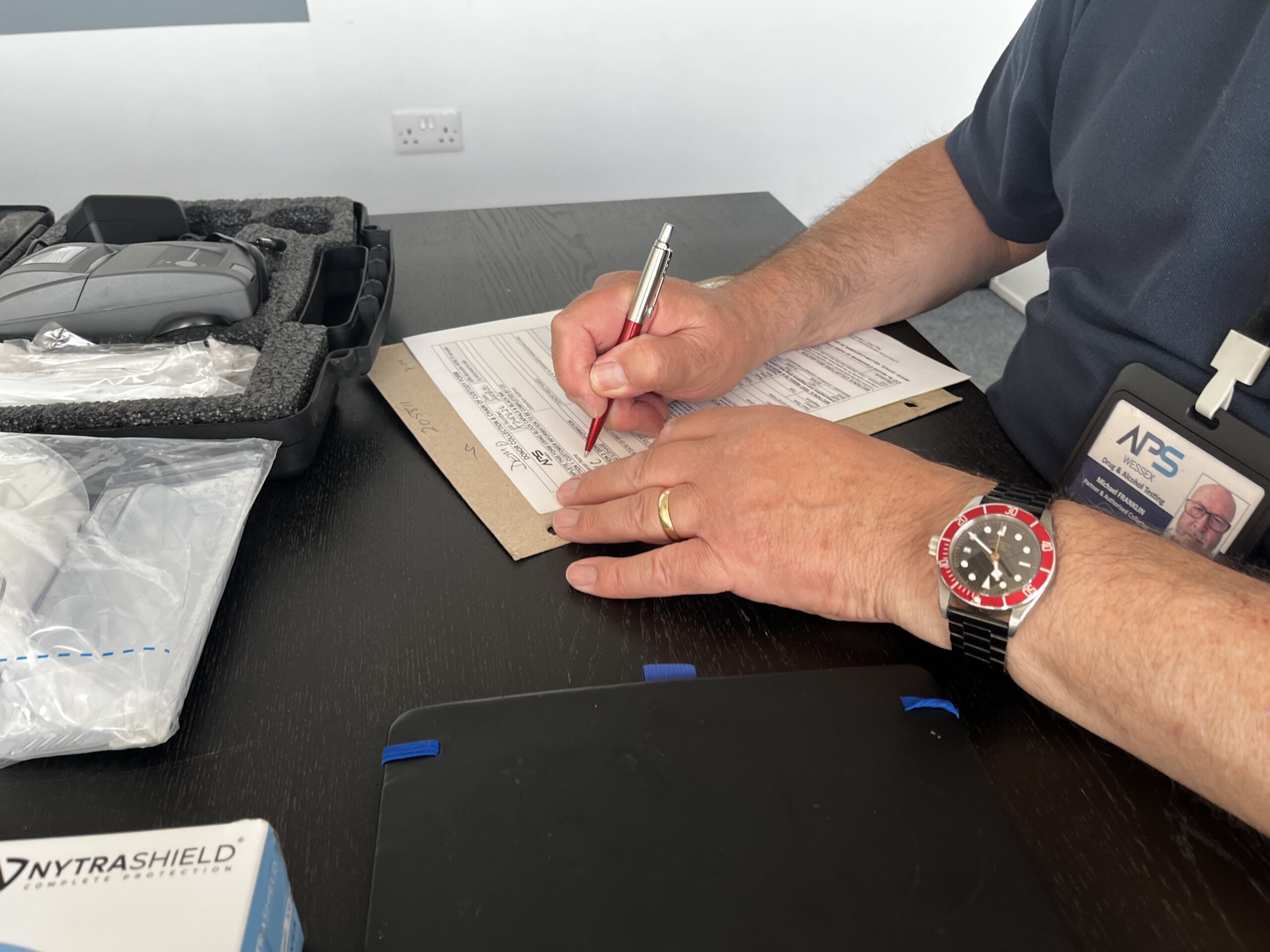
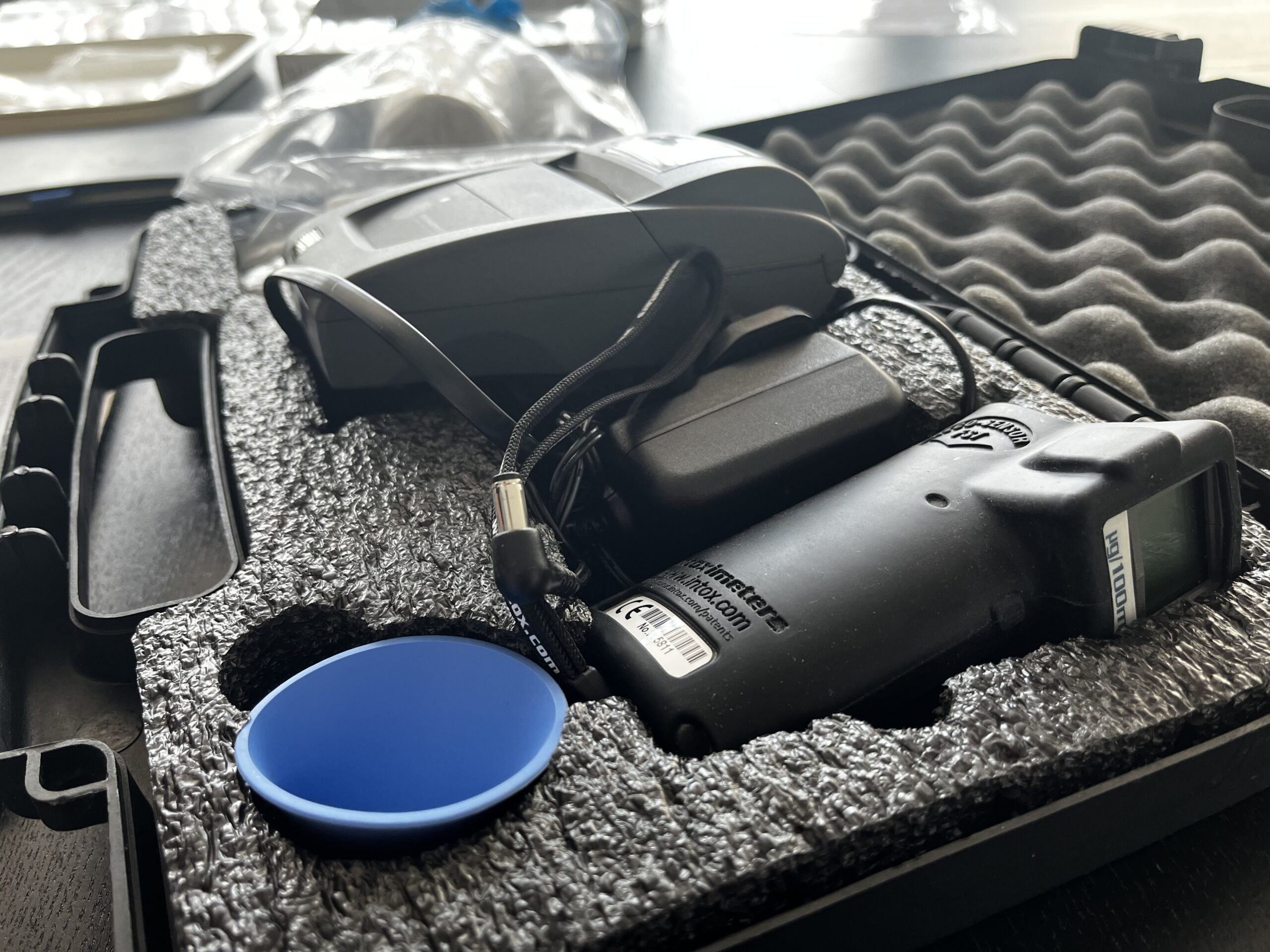
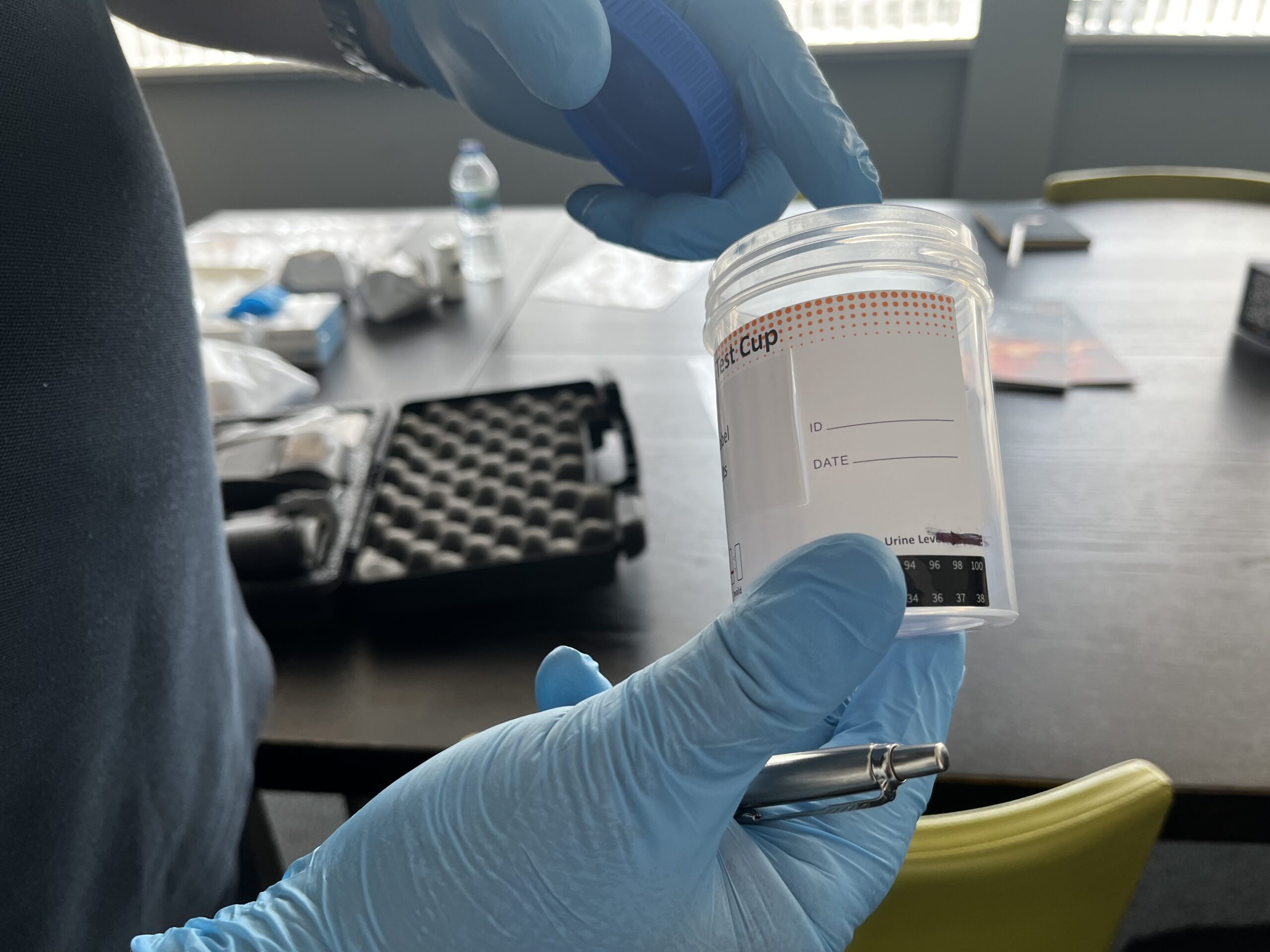
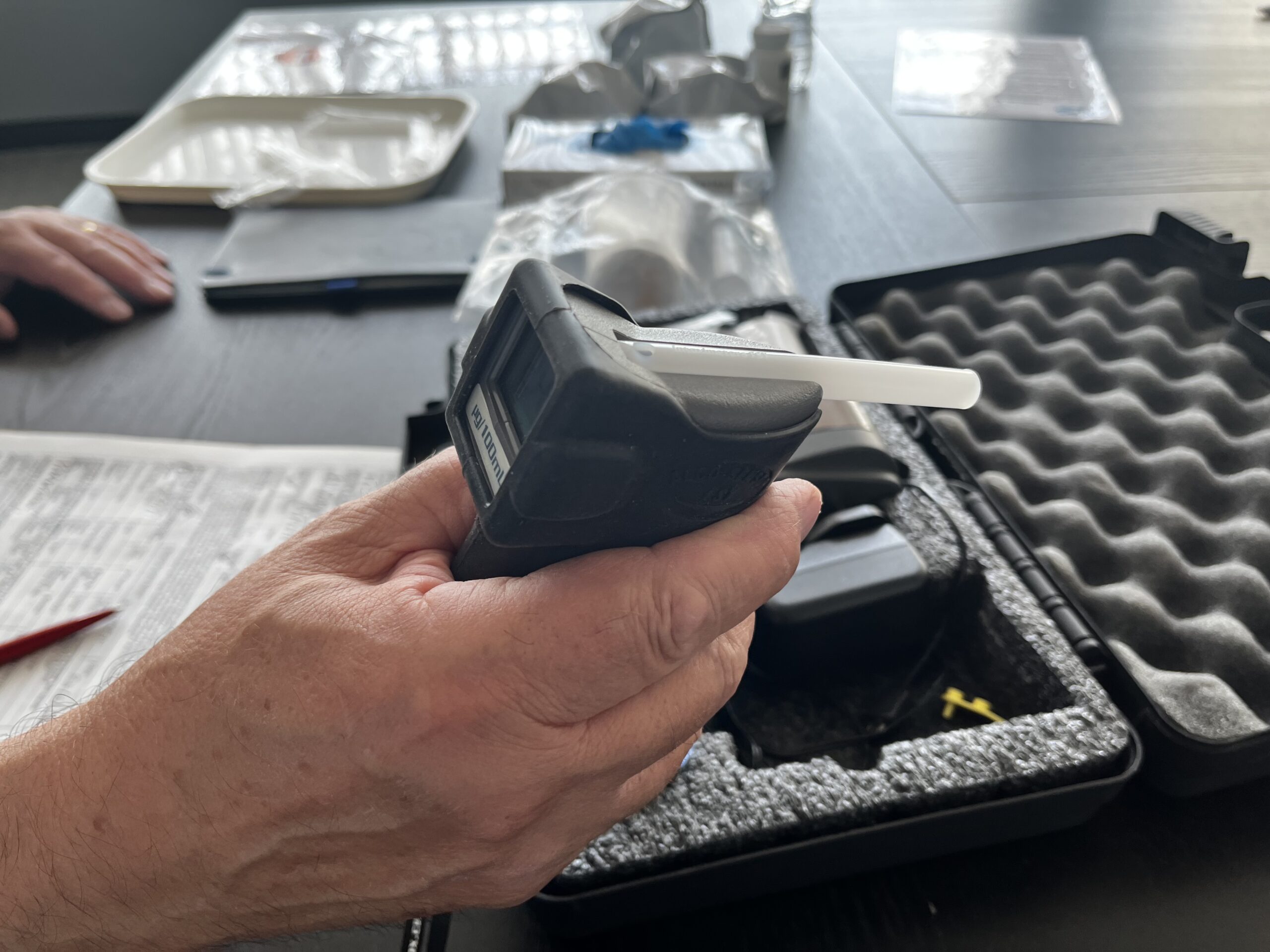
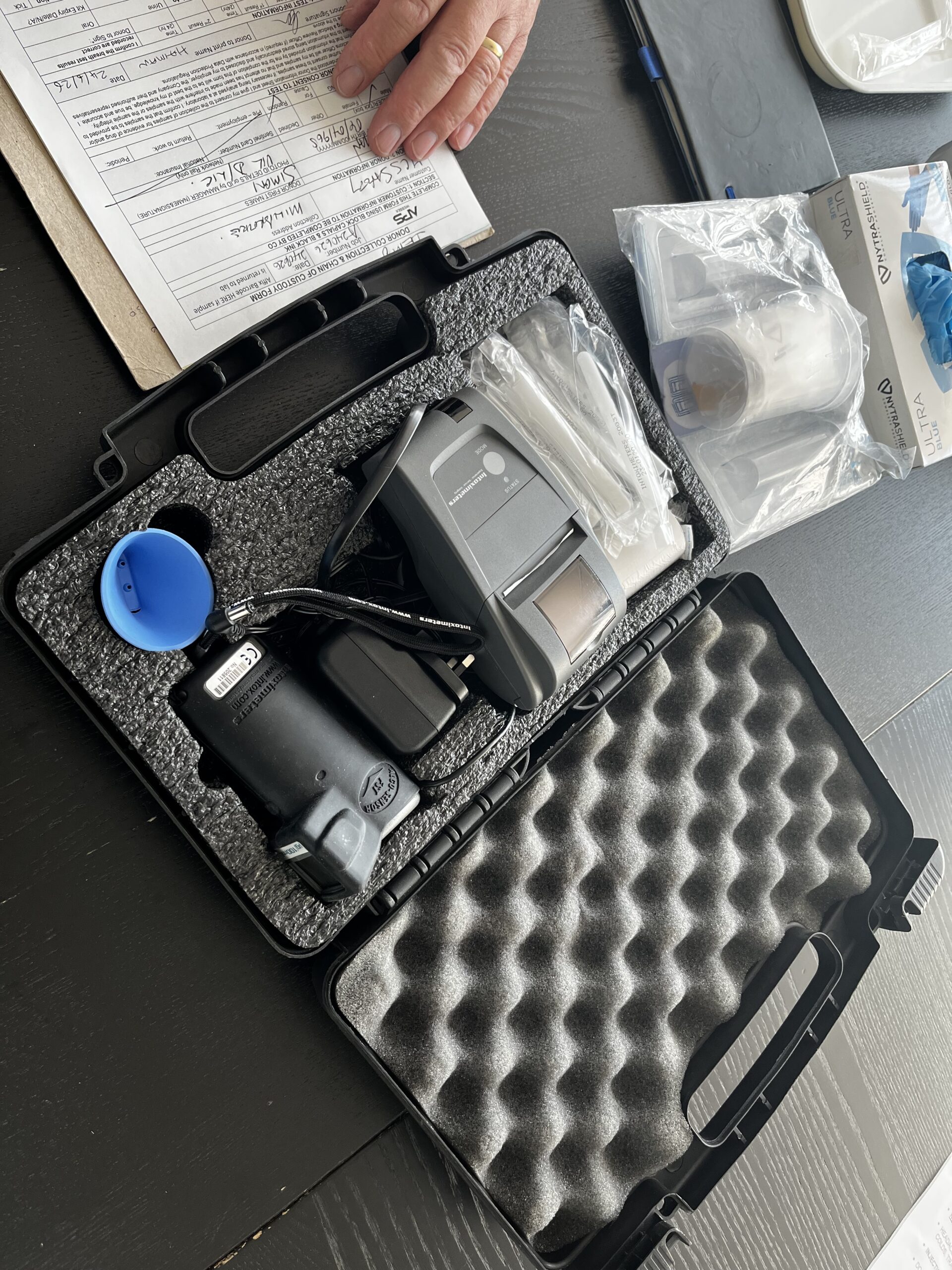
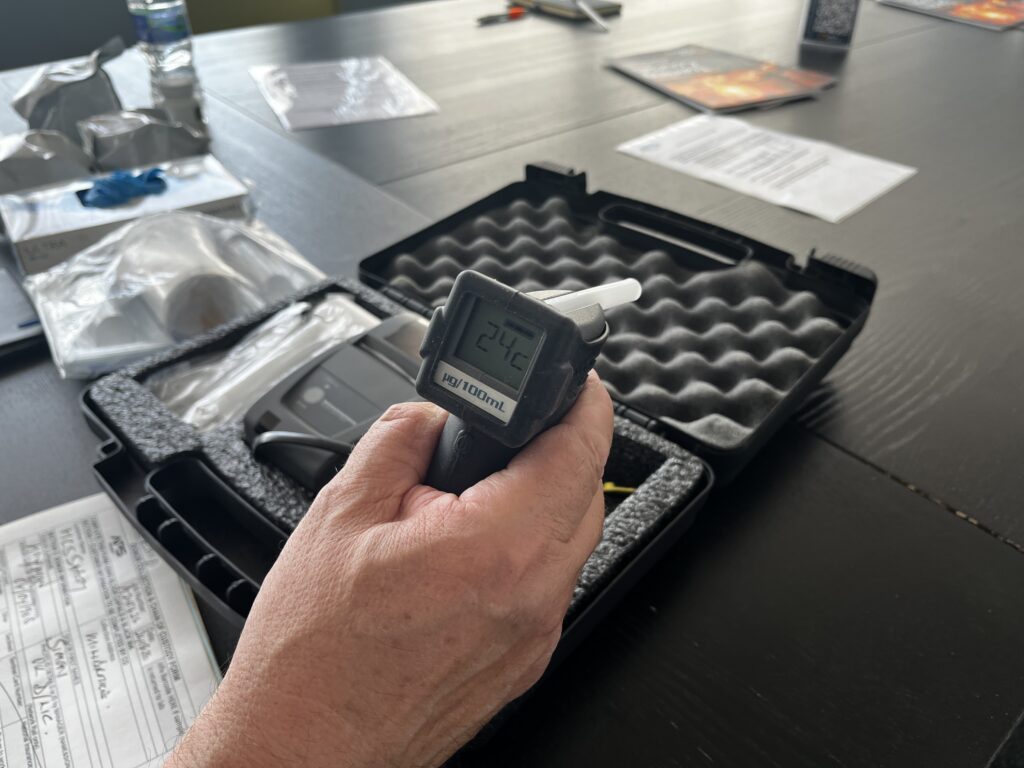
APS Wessex specialises in work place Proactive (random selection) or Reactive (post incident or suspicion) Drug and Alcohol testing services that are
carried out with professionalism, dignity and respect for the donor.
Randomised testing of an agreed number of people to reinforce your company’s Drug and Alcohol at Work Policy.
Testing new employees prior to confirmation for any substance related issues.
Testing employees who are being supported for a substance use issue.
Testing following an incident or where there is suspicion.
What Drugs can be tested for?
| Substance | Urine Test | Oral Test |
|---|---|---|
| Average Detection Period | ||
| Alcohol | Only by laboratory testing | 1–10 hours |
| Cannabis | 1–5 days (max 30 days) | 2–14 hours |
| Cocaine (including Crack cocaine) | 1–2 days | 1–2 days |
| Opiates / Morphine | 1–3 days | 1–21 hours |
| Amphetamines | 1–3 days | 1–3 days |
| Methadone | 1–8 days | 8–12 hours |
| Ecstasy (MDMA) | 1–4 days | Detected in methamphetamines |
| Ketamine | 1–3 days | 1–3 days |
| Benzodiazepines | 1–4 days (max 30 days) | 1–3 days |
| Synthetic Marijuana | Not detectable | 5–48 hours |
| Buprenorphine | 1–6 days | 1–3 days |
| Barbiturates | 1–6 days | Not detectable |
| Phencyclidine | 1–7 days (max 14 days) | 12–24 hours |
| Tricyclic Antidepressants | 1–3 days (max 10 days) | Not detectable |
| Methamphetamines | 1–3 days (max 5 days) | 1–3 days (includes Ecstasy) |
| Oxycodone | Not detectable | 1–3 days |
Workers’ rights: Drug testing
Employers have to consult if they want to test for drugs. Usually this is when they have a clear policy on drug/alcohol testing that has been communicated by their workers.
Employers should:
- limit testing to employees that need to be tested
- ensure the tests are random
- not single out particular employees for testing unless this is justified by the nature of their jobs or is required following an incident
Workers can’t be made to take a drugs test but if they refuse when the employer has good grounds for testing, they may face disciplinary action.