Chemical Explosion at US Paper Mill Highlights Major Process Safety Risks
Chemical Explosion at US Paper Mill Highlights Major Process Safety Risks
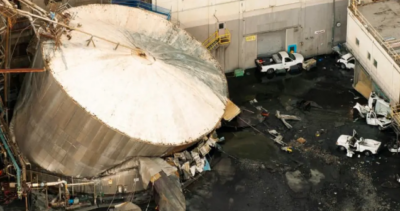
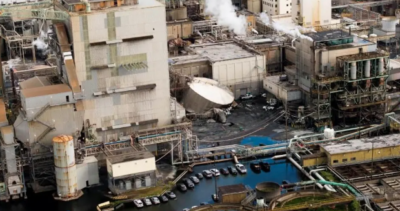
A devastating chemical explosion at a paper mill in Washington State, USA, has highlighted the serious dangers associated with hazardous chemical storage and industrial process safety.
The incident occurred at the Nippon Dynawave Packaging facility in Longview, where a tank containing “white liquor” ruptured, causing a major explosion that killed at least one person, left nine missing, and injured several workers and emergency responders.
White liquor is a highly corrosive chemical used in the paper-making process and contains sodium hydroxide and sodium sulfide.
Initial reports suggested the tank contained around 80,000 gallons of chemical, however authorities later confirmed it may have held closer to 900,000 gallons, significantly increasing the scale of the inci
dent and the associated risks.
Emergency services reported:
- Fatalities
- Multiple critical injuries
- Burn injuries
- Inhalation injuries
- Structural instability at the site
Recovery operations remain ongoing due to concerns that the damaged tank is still unstable.
Why This Matters to Southampton and Hampshire Businesses
Although this incident occurred in the United States, the lessons are highly relevant for UK businesses operating in:
- Manufacturing
- Engineering
- Warehousing
- Utilities
- Chemical processing
- Waste management
- Ports and logistics
Southampton and the wider Hampshire region are home to major industrial, marine, and logistics operations where hazardous substances and high-risk processes are regularly managed.
Incidents such as this demonstrate the importance of robust process safety management, effective workplace risk assessments, and ongoing health and safety training.
Key Health and Safety Lessons
Asset Integrity Is Essential
Storage tanks, pressure systems, and chemical containers must be regularly inspected and maintained to prevent catastrophic failures.
Businesses should ensure:
- Routine inspections
- Preventative maintenance
- Corrosion monitoring
- Competent engineering oversight
- Accurate Hazard Information Matters
Emergency Preparedness Saves Lives
High-risk organisations should have effective emergency procedures in place, including:
- Spill response plans
- Evacuation procedures
- Emergency drills
- Trained response teams
- Clear communication systems
- Process Safety Requires Specialist Controls
Process Safety Requires Specialist Controls
Major industrial incidents often result from multiple system failures rather than a single mistake.
High-risk industries should implement:
- Risk assessments
- Permit-to-work systems
- Management of change procedures
- Safety critical inspections
- COSHH assessments
- Ongoing staff training
Legal Responsibilities for UK Employers
UK businesses handling hazardous substances must comply with legislation including:
- The Health and Safety at Work etc. Act 1974
- COSHH Regulations
- COMAH Regulations
- PUWER
- PSSR
Failure to properly manage these risks can lead to serious injury, prosecution, substantial fines, and reputational damage.
West Point House, 321 Millbrook Road West Southampton Hampshire SO15 0HW
02380 894695